Unexplained Stories
Something Crashed Into Shag Harbour in 1967. Canada Never Identified It
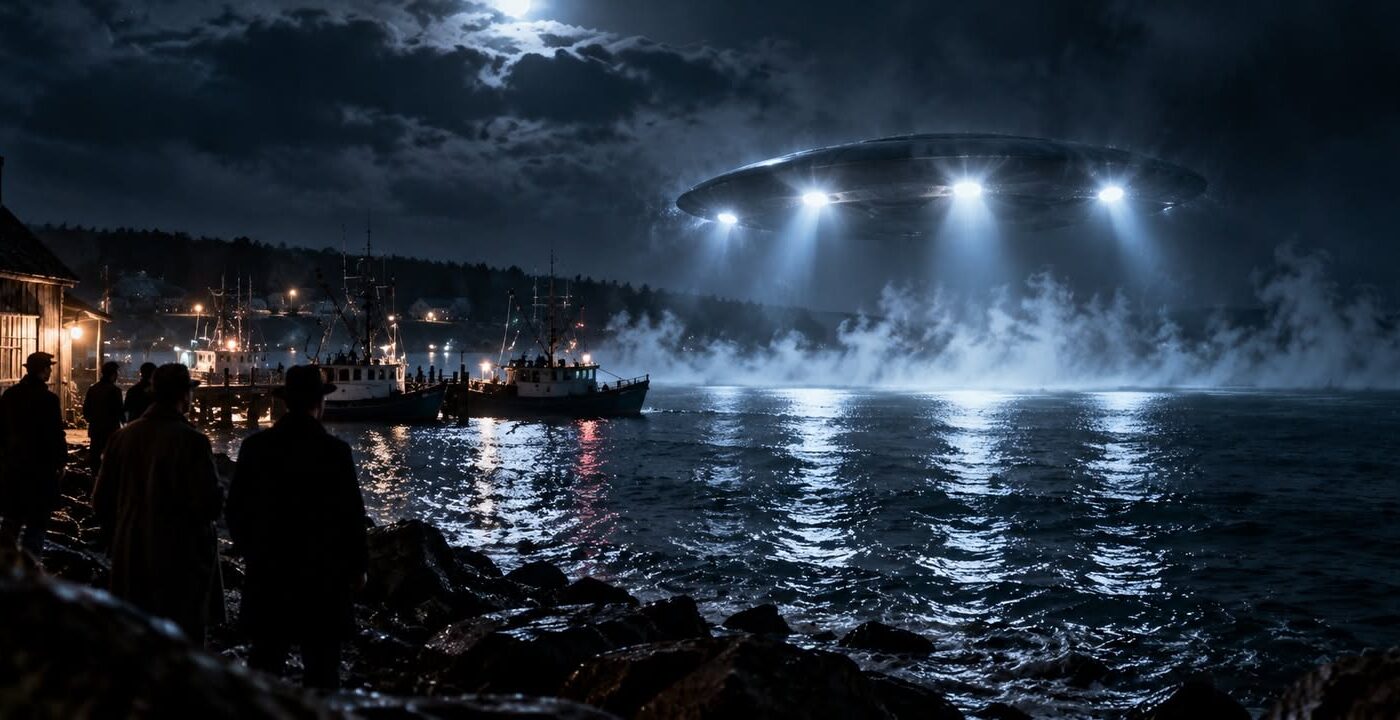
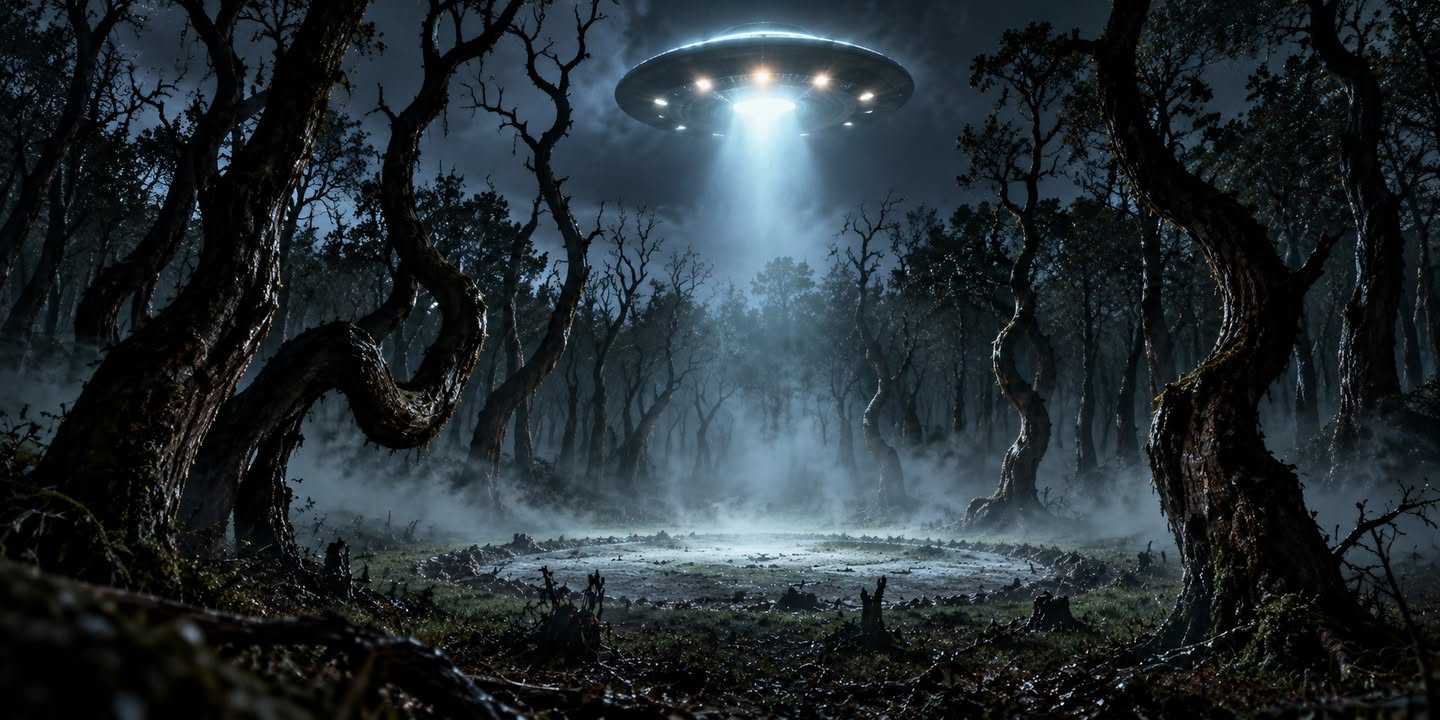
On the night of October 4, 1967, several people along the coast of Nova Scotia watched a row of bright lights descending toward the Atlantic Ocean. The lights appeared to strike the water near Shag Harbour, a small fishing community on the province’s southern coast.
Witnesses feared they had just seen an airplane crash. Calls went out to the Royal Canadian Mounted Police, and officers began organizing an emergency response.
What started as a rescue operation would become one of Canada’s most famous UFO investigations.
A Teenager Reported the Crash
One of the best-known witnesses was Laurie Wickens, a teenager traveling along Highway 3 with several other young people. They had spotted bright lights moving low over the coastline and watched them descend toward the harbour.
Wickens contacted the RCMP because he believed people might be trapped inside a downed aircraft. Other residents reported seeing unusual lights that night, giving police several accounts to investigate.
Officers treated the reports seriously. If a plane had entered the Atlantic, passengers and crew members could be struggling to survive in the cold water.
Local boats were soon heading toward the area.
A Strange Glow Remained Offshore
According to witnesses, a pale yellowish glow lingered near the surface after the lights disappeared. It gave searchers a location to investigate, although the object itself was no longer visible.
Boats approached the area while people watched from shore. Searchers reported finding unusual foam floating on the water, but nothing that identified what had caused it.
There were no recognizable aircraft parts or personal belongings among the material they encountered. The glow had drawn rescuers to a particular spot in the harbour, yet whatever had produced it was nowhere in sight. Meanwhile, authorities were making another unusual discovery.
No Plane Had Been Reported Missing
Police and aviation officials began checking whether any civilian or military aircraft had disappeared in the region. Normally, a serious aviation emergency would eventually produce a report of an overdue flight or missing crew.
But the searches turned up no aircraft corresponding to the witnesses’ accounts. That complicated the investigation considerably.
Authorities had several reports of something descending into the water, but no known flight to connect with the incident. The Canadian Coast Guard became involved, and the inquiry eventually reached the military. Investigators now needed to find out what was beneath the surface.
Military Divers Entered the Water
Canadian military personnel joined the investigation and searched underwater near the reported location. Divers examined the seabed for machinery, wreckage, or anything that might explain the witnesses’ observations.
The search required more than scanning the harbour from shore. Personnel had to investigate an area where an object might have settled beneath the water.
The divers worked without an exact impact point or reliable information about the object’s size. Their efforts produced no identifiable wreckage. But the investigation had already created something that would keep the incident alive for decades: an official record of an extraordinary event.
The Case Entered Canada’s Government Archives
Unlike many UFO stories recorded long after the events supposedly occurred, Shag Harbour was investigated while witnesses’ memories were still fresh. Police officers, rescue personnel, and military authorities had all participated in the response.
Their involvement generated documents that eventually became part of Canada’s public UFO collections. Library and Archives Canada preserves records assembled by agencies including the Department of National Defence, Department of Transport, National Research Council, and RCMP. Shag Harbour became one of the country’s best-known cases because the investigation extended well beyond a single witness report.
Researchers could examine an event that had prompted an organized search involving multiple government agencies. And interest in the incident continued spreading long after the official investigation ended.
Shag Harbour Became a Destination
The small fishing community eventually became familiar to UFO researchers around the world. Investigators visited the region, interviewed witnesses, and studied the surviving reports.
Local residents helped preserve the story through exhibits, research, and community events. The incident became an unexpected part of Shag Harbour’s identity, attracting visitors interested in the strange events of October 1967.
People could visit the waterfront and look across the same stretch of ocean where witnesses had gathered decades earlier. What had begun as a frightening night for local residents eventually became a reason for strangers to travel to their village.
Canada Hasn’t Forgotten
Canada’s Office of the Chief Science Advisor has continued referring to Shag Harbour in its work concerning unidentified aerial phenomena. The incident appears among the historical cases associated with the country’s Sky Canada initiative.
The surviving records preserve the witness accounts and the response that followed, keeping the story accessible to researchers and the public.
More than fifty years after the incident, Shag Harbour remains closely associated with the unexplained event that unfolded offshore.